

How I Direct Emotion During Portrait Sessions
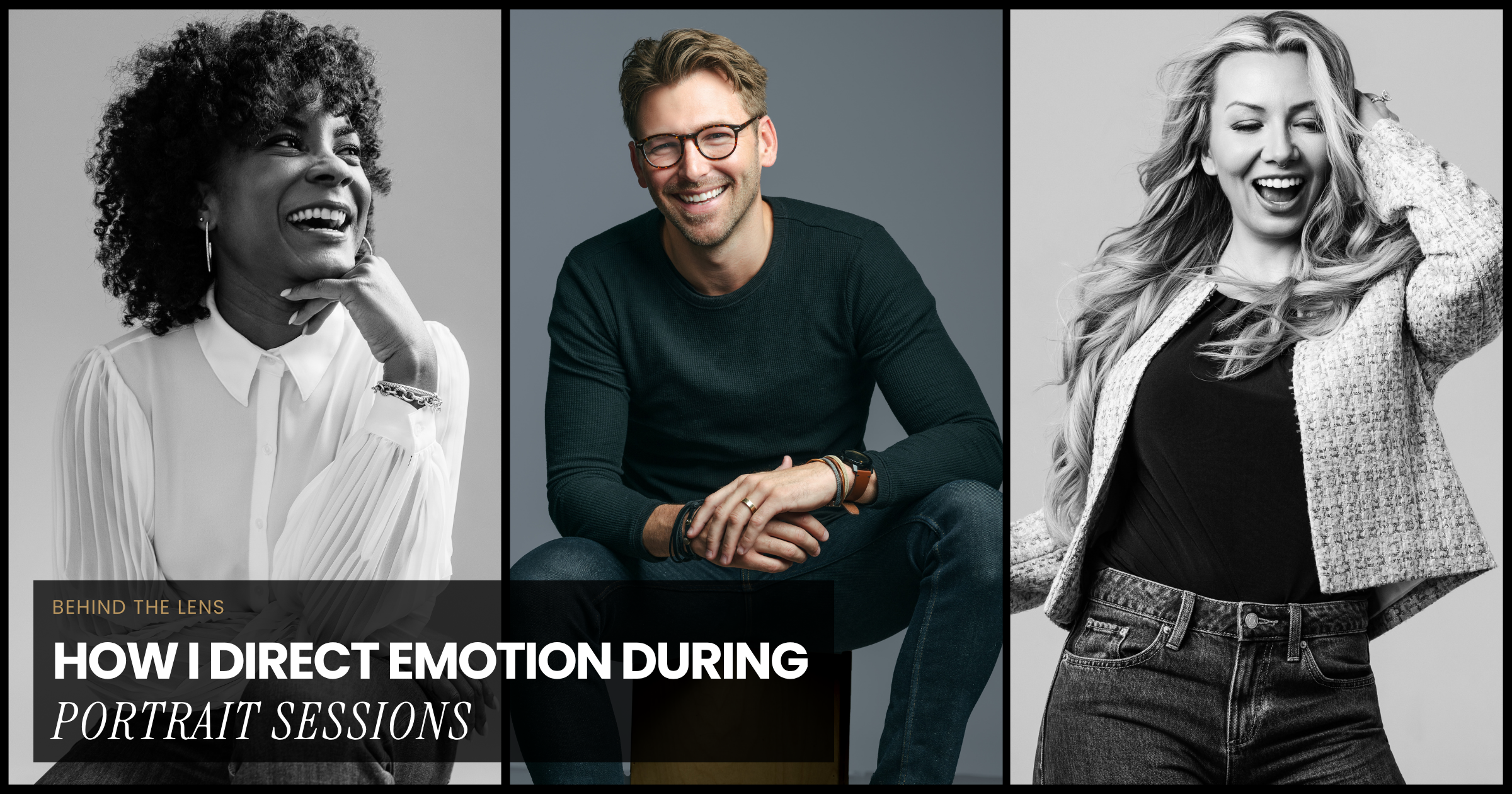
Most people arrive at a portrait session carrying some version of the same fear: that the camera is going to expose them. Not just physically. Something deeper. That they are going to stand in front of the lens and produce a photograph that looks like a person doing a bad impression of themselves at a work conference they did not want to attend.
That outcome is real. I have seen it. But here is what actually causes it: the absence of direction. After photographing thousands of headshots in Nashville and Franklin, TN, and working with every personality type the human race has to offer, I can say with full confidence that reading a person and adapting your energy to theirs is the single most powerful tool in a portrait session. The light matters. The lens matters. The framing matters. But none of it matters more than whether the person in front of you feels seen before you ask them to be seen.
Why the Camera Creates a Psychological Response
You Cannot Think Your Way Out Of
The discomfort most people feel in front of a camera is not a character flaw. It is a physiological response. Being watched and evaluated activates the same threat circuitry that evolution designed for entirely different situations, ones that involved actual predators, not a photographer with a prime lens and good intentions.
Your brain reads the camera as scrutiny. Scrutiny triggers a version of fight-or-flight that shows up as tension in the body, rigidity in the face, and that particular blankness in the eyes that makes a photo feel like a mugshot with better lighting.
This is why "just relax" is the most useless piece of direction a photographer can give. You cannot think your way out of an autonomic response. Telling someone to relax when their nervous system is on high alert is roughly as effective as telling them to choose a different blood pressure. The instruction lands, they try to comply, the effort of trying makes it worse, and now they also feel bad about their inability to relax on command. Great. We are off to a fantastic start.
The photographer's job is not to talk people out of that response.
It is to dismantle the conditions that created it.
What I Am Actually Doing When I "Read" Someone
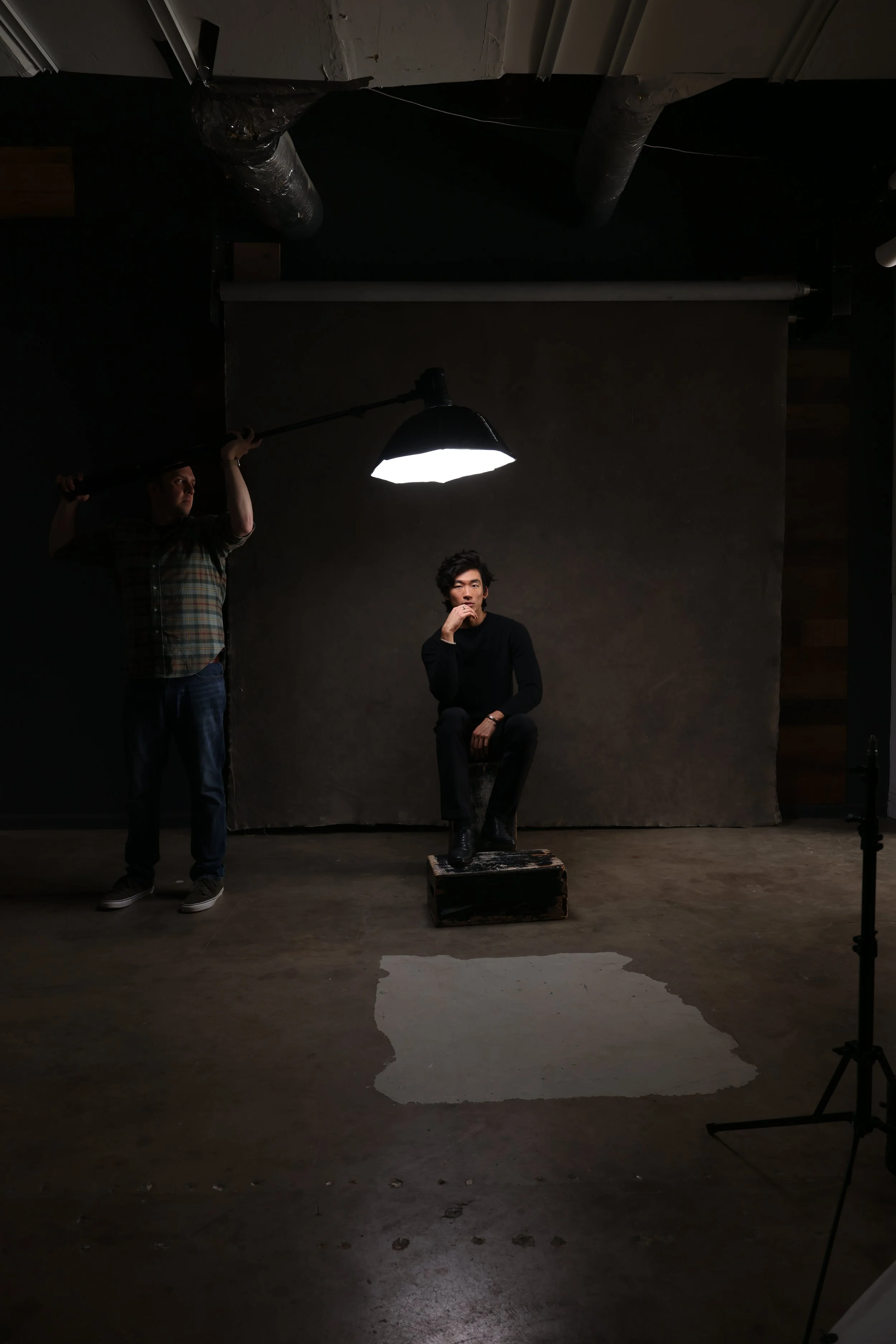
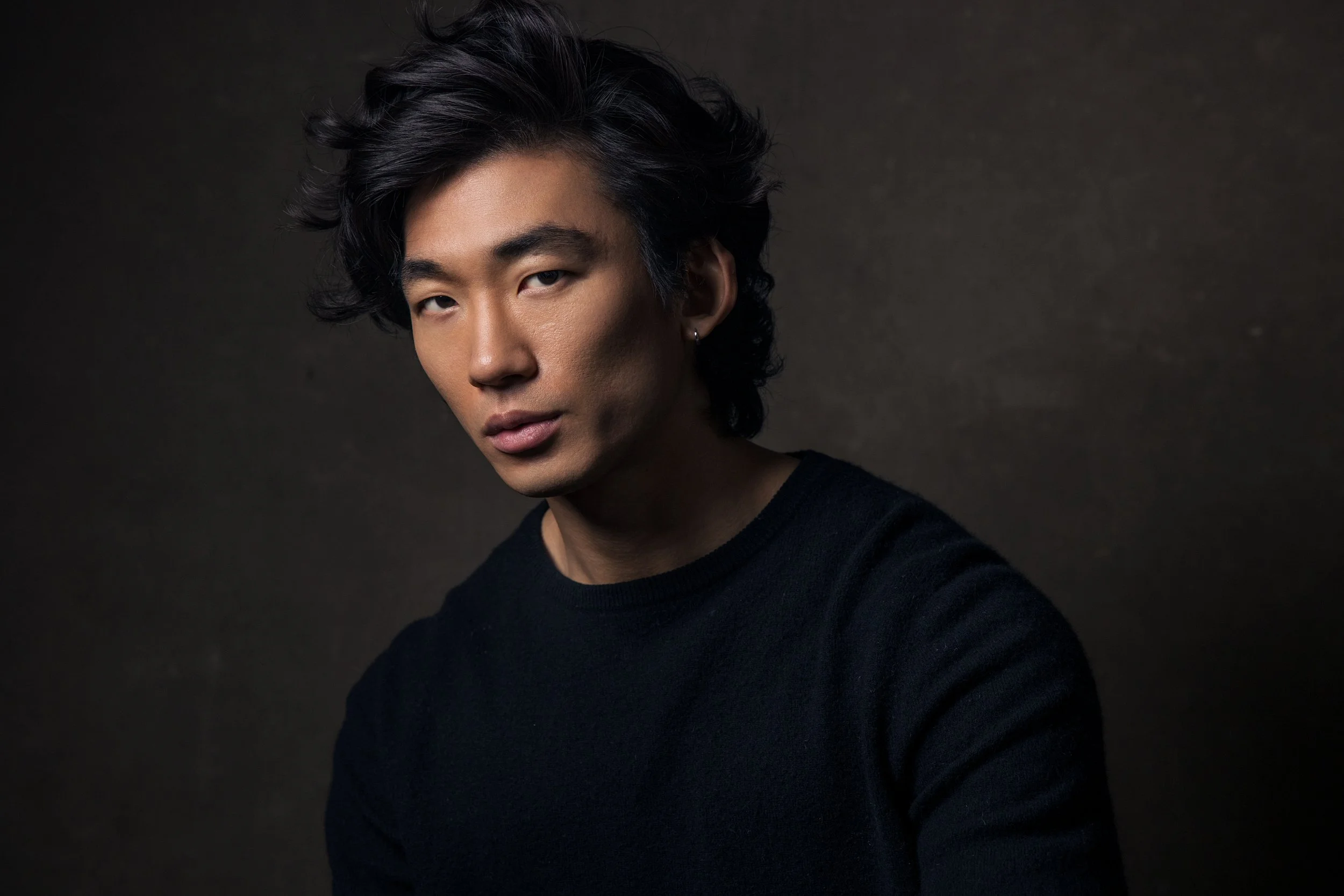
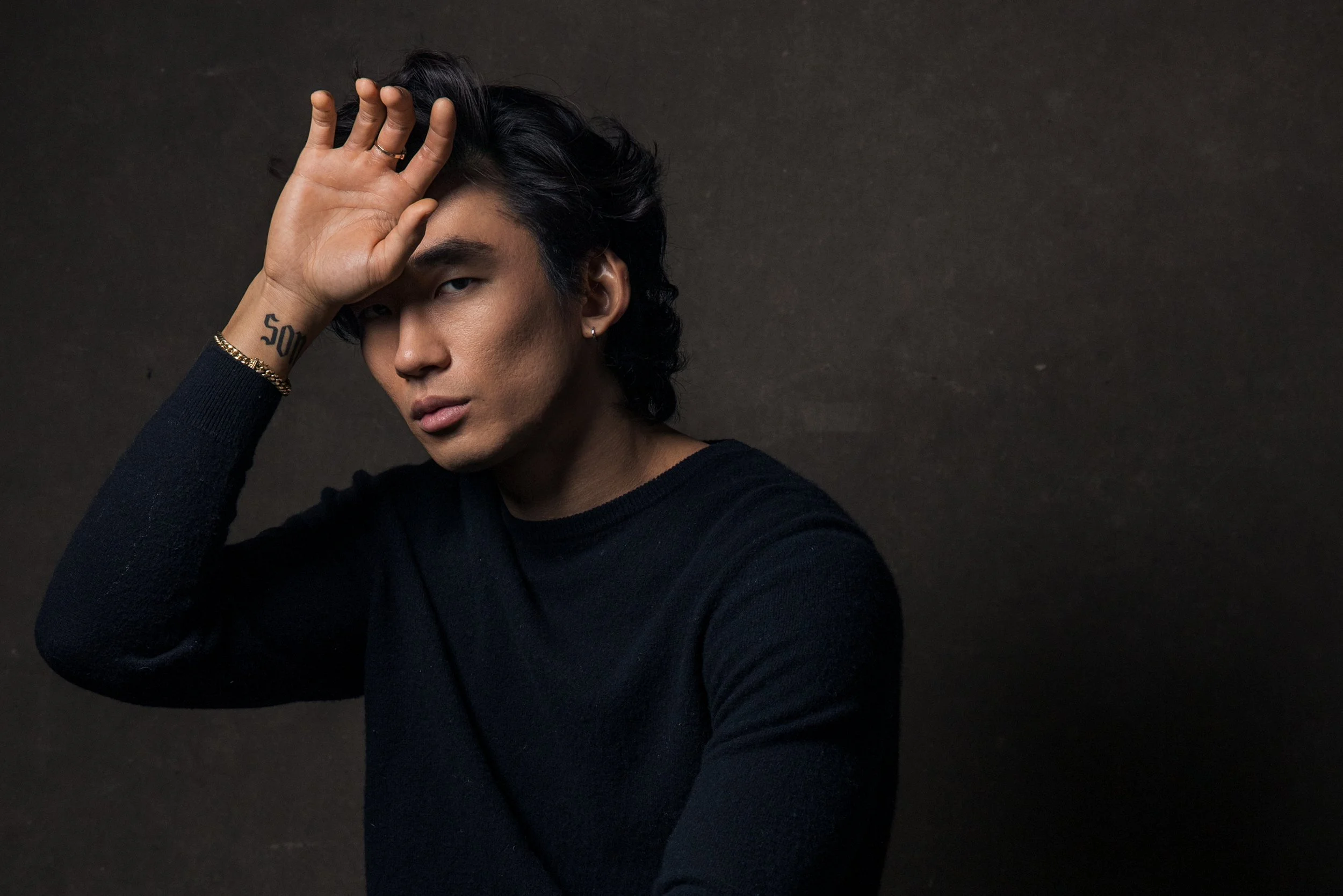
Before I fire a single frame, I spend the first few minutes of every session just watching.
I am watching how someone moves into a space. Are they curious, looking around, taking it in? Are they scanning for cues about what they are supposed to do? Are they filling every silence with conversation because silence feels dangerous, or are they quiet and self-contained and slightly suspicious of people who smile too much?
How do they hold their body when they are not thinking about their body? What lights up their face when they talk about something they actually care about? What happens to their posture when the conversation shifts from small talk to something real?
None of this is clinical. I am not running a personality diagnostic. After thousands of sessions with executives, network anchors, attorneys, real estate professionals, physicians, musicians, and more than a few people who opened with "I hate having my picture taken" (a sentence that has never once stopped us from getting great photos), it has become intuitive. But it is a skill. And it is learnable. And photographers who develop it consistently produce better work than the ones who do not, regardless of how dialed in their light is.
The Five Energy Types I See Most Often (and How I Adapt to Each)
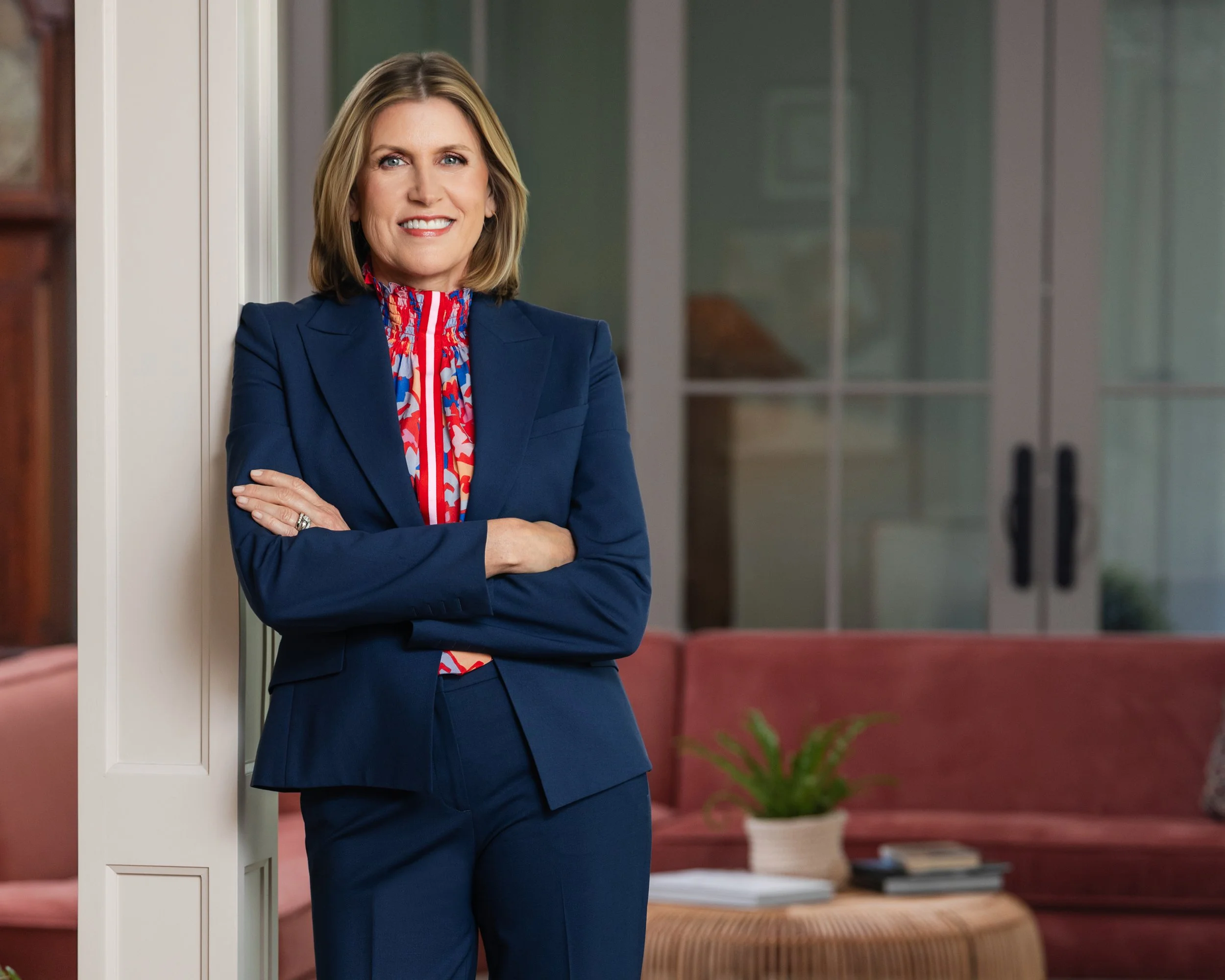
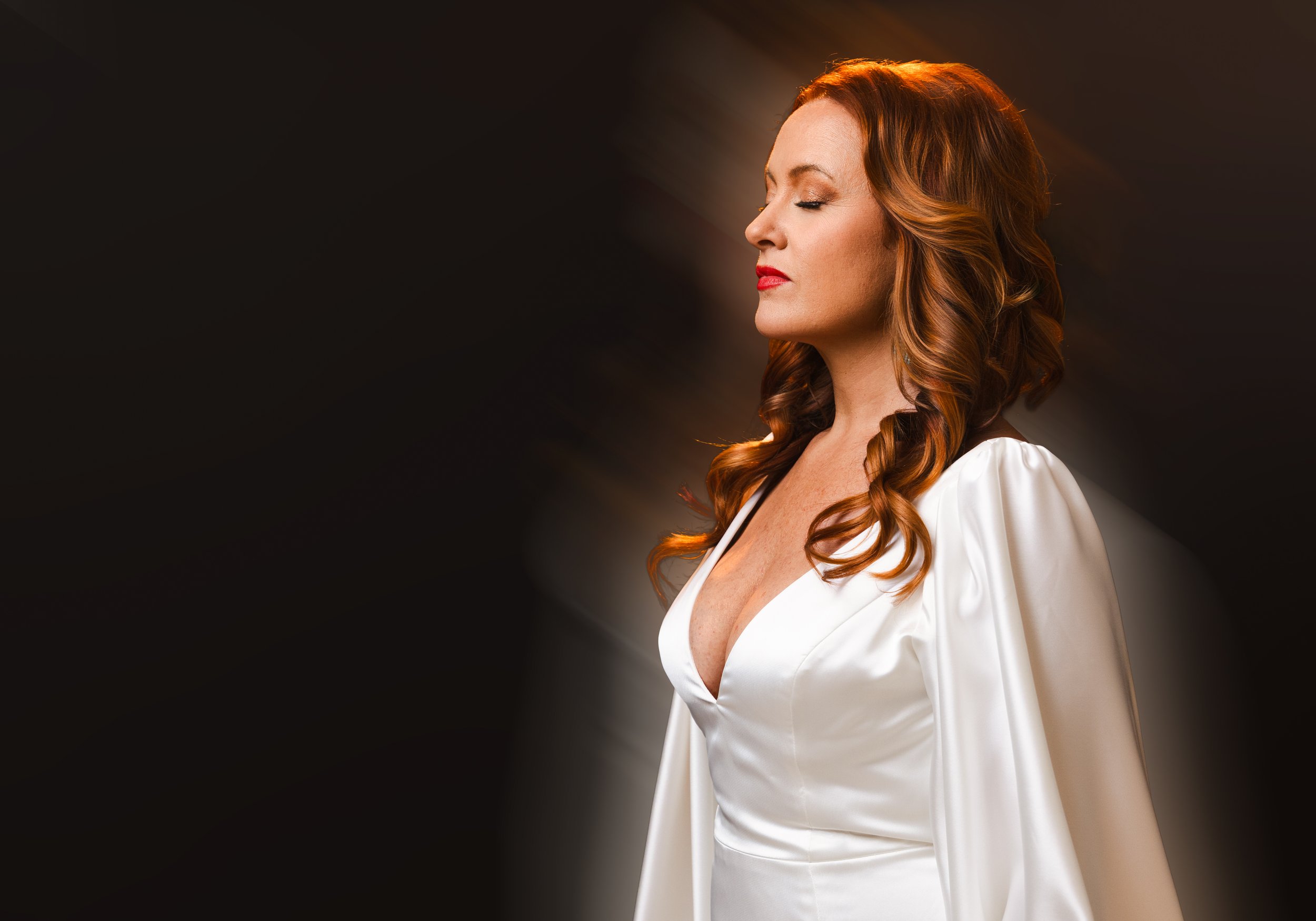
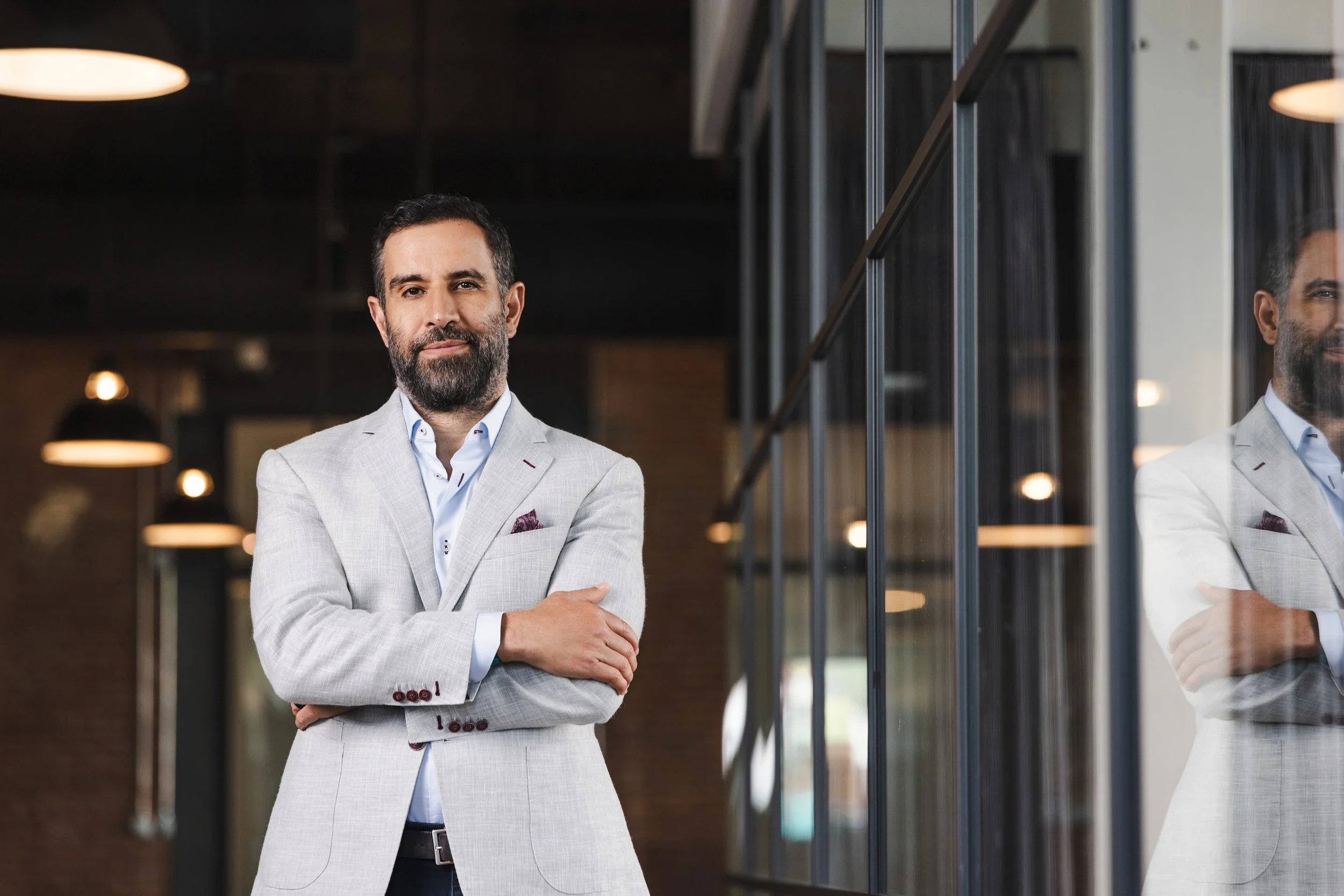
The Performer
This person arrived ready. They are telling jokes before they put their bag down, making the whole room comfortable, fully prepared to crush this session. And they will, mostly. The thing to watch for is that the performance can run a little hot. If I match their energy and let them go, I get great outtakes and a slightly performative hero shot. My job with this person is to slow us down together. Lower my voice. Take a breath between frames. Wait. The moment the performance drops and something quieter comes through is the moment I actually want.
The Over-Thinker
This person has done research. They have a Pinterest board. They have opinions about their jawline that they are going to share with me, respectfully but thoroughly. They will ask to see every frame approximately two seconds after I shoot it, and they will find something to critique in each one because that is how their brain is wired. They are not difficult. They are analytical, and they need something for their brain to do other than run a real-time judgment of their own face. Specific, technical direction solves this. "Drop your left shoulder a half inch" gives their analytical brain a task. Everything else on their face relaxes because I gave it something concrete to manage.
The Quiet One
Reserved. Low-key. Not unfriendly, but not handing me anything for free either. This person does not need more energy from me. They need less of it. If I come in big and fast and enthusiastic, I create distance. I match their pace instead. I take my time. I let there be silence, which feels very uncomfortable for most photographers and most humans, but which is often exactly what this person needs to start to open up. The moment I stop working so hard is usually the moment they give me something real.
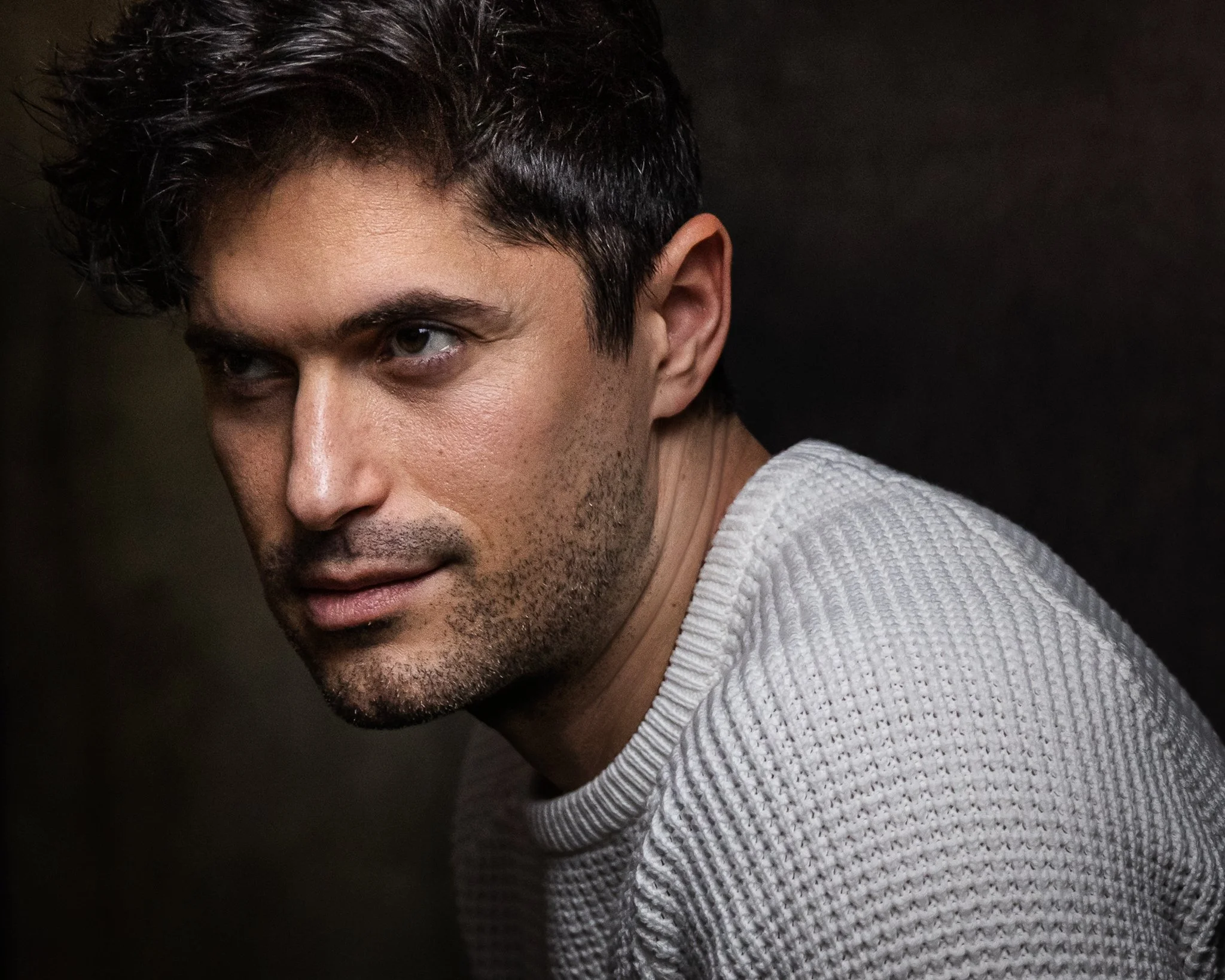
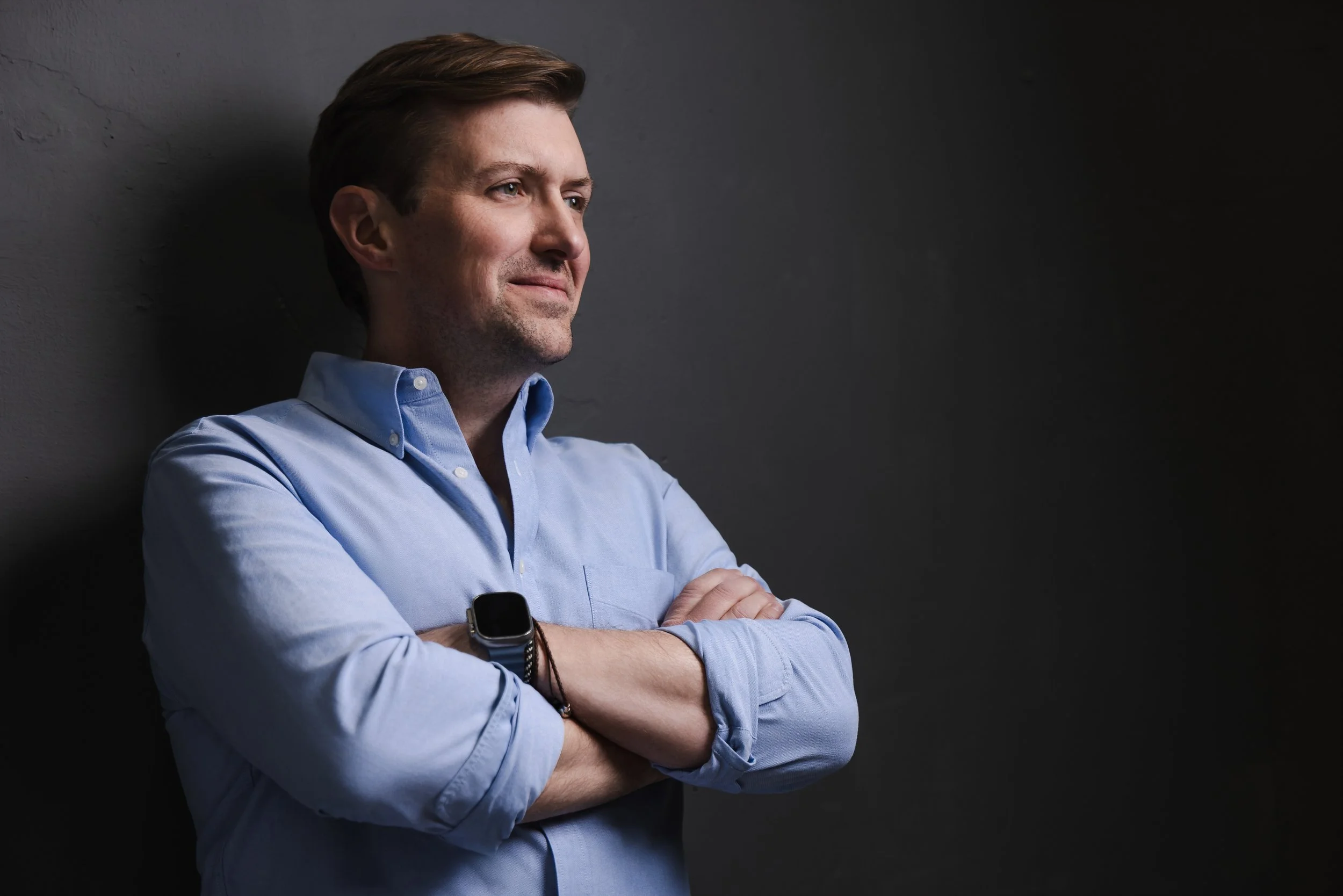
The People Pleaser
Bless them. They are trying so hard to be a good subject. They are executing every instruction with sincere effort and complete earnestness, which means every photo looks like someone trying very hard to execute an instruction with sincere effort. It is technically correct and completely lifeless. I have to find a way to interrupt the cooperation loop. A question they have a strong opinion about. Something unexpected. Something that makes them forget for a second that they are being helpful and just react.
The "Let's Get This Over With."
This is my personal favorite category to work with, and also the most humbling. This is the CEO who has a board meeting in two hours and scheduled this session because their PR team made them. This is the celebrity who has done approximately nine hundred press shoots and has the hollow eyes of someone who has been asked to "give me something authentic" by forty-seven different photographers in the last calendar year. They walk in with a very specific energy that communicates, politely but clearly, that they have places to be.
You cannot charm this person into enthusiasm. You cannot out-energy them or win them over with excitement about the session. What you can do is be extremely good at your job, extremely fast, and genuinely curious about them as a person rather than as a subject.
The thing most people do not realize about this type is that underneath the "let's get this done" exterior is usually someone who cares quite a bit about the outcome. They are not indifferent to how they look. They are protective of their time and skeptical that this is worth it. Your job is to prove, quickly and without making a big deal of it, that it is. I do that by moving with confidence, giving direction that is specific and purposeful, and finding one genuine point of human connection, not a photographer-to-subject connection, a person-to-person one. Ask about the work. Ask about something they actually built or created. Find the thing they cannot help lighting up about, because everyone has one.
The moment a reluctant CEO forgets they are in a photo session and starts telling me about their company with real energy in their eyes, that is when I shoot. Nine times out of ten, that frame is the one they end up using.
The Psychology Behind the Specific Techniques I Use
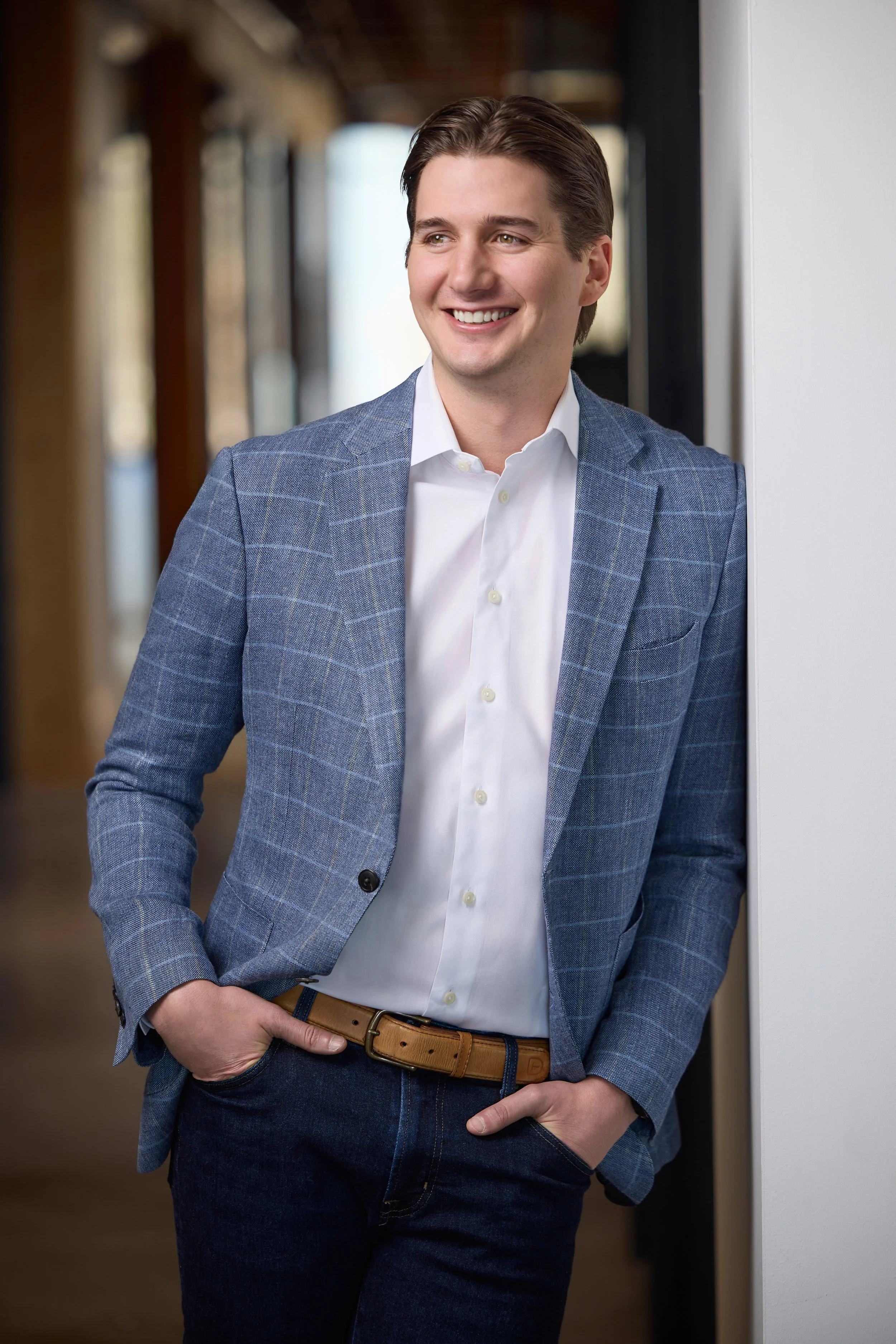
Micro-movement before stillness. Stillness feels like a test. Movement is regulating. Before I ask anyone to hold anything, I get them moving. Walk toward me. Shift your weight. Look away and bring your eyes back slowly. The movement interrupts the freeze response, gets the body involved in something physical instead of something evaluated, and by the time I ask for stillness it no longer carries the same pressure.
Specific direction over vague direction. Vague direction forces interpretation, and interpretation pulls attention inward. "Relax" sends someone into their own head to figure out what relaxing looks like on their face. "Drop your left shoulder a half inch" sends their attention directly to their left shoulder, and everything else lets go because the brain found something concrete to do. It sounds almost too simple. It works every time.
The question at the right moment. Between receiving an unexpected question and formulating a socially appropriate response, there is a half-second window where the face does something completely unguarded. Something real moves across it before the editing process kicks in. I frame and expose in advance, I ask the question, and I shoot in that window. Some of my favorite frames across thousands of sessions have come from that exact technique. The person is thinking about their answer. They have completely forgotten they are being photographed. That is the whole game.
Mirroring energy before leading it. Mirroring is a psychological term for matching another person's pace and energy to establish rapport before shifting the dynamic. In practice it means: if someone comes in quiet, I come in quieter. If someone comes in warm and animated, I meet them there. You match first, you earn trust, and then you can lead. If you try to lead before you have matched, you create friction, and friction shows up in photographs.
This Is a Skill, Not a Personality Type
Here is something I think about more than I probably should: some photographers do this naturally and some do not, but natural talent is not really the point. It is learnable.
The photographers who are best at reading people are not always the most outgoing or the most charming. Some of the sharpest people-readers I know are introverted, quiet, observant. What they share is genuine curiosity about whoever is in front of them, and the discipline to pay attention before they start asking for something.
That is the part of craft that photography education largely skips over. We teach aperture and light ratios and posing formulas, and those things are necessary. But the ability to walk into a room, read what is happening in it, and adjust your entire approach to fit what that specific human being needs in that specific moment, that is the thing that makes someone call a friend afterward and say you have to work with her.
It is also, for what it is worth, what I care most about teaching.
What This Means If You Are Booking a Session
You do not have to arrive knowing how to photograph well. You do not need to practice expressions in the mirror. You do not need to bring a list of poses or have a plan for your hands. (Hands are my problem. I have a whole system for hands.)
You show up. I read the room. We figure out the rest together.
I have worked with people who walked in certain they were going to ruin their own session and walked out with photos they sent to their parents. I have worked with people who showed up completely relaxed and needed several setups to find their frame. The session finds its shape. That is the work, and it is genuinely one of my favorite parts of the job.
If you have been avoiding booking because you are not sure you are someone who photographs well, I would gently suggest that you have simply not yet had a session where the direction was actually doing its job.
Frequently Asked Questions
What if I am genuinely terrible in front of the camera?
"Terrible in front of the camera" almost always means "I have been in front of cameras without good direction." The nerves are real and I take them seriously, but they are not a fixed trait. My job is to dismantle the conditions that create them, which is a much more solvable problem than it sounds like.
Do you direct introverts differently than extroverts?
Very much so. Pace, energy level, how much silence I allow, how I give feedback, all of it adjusts to the person. The direction I use with a high-energy performer will close down someone who needs quiet and space to open up. Reading which session I am in is the first thing I do.
How many setups are typical for a headshot session?
Most headshot and branding sessions move through two to four setups. The pacing is intentional because the warm-up period, the first fifteen to twenty minutes where people are still finding their footing, is not wasted time. That is where the calibration happens. Rushing through it is how you end up with technically fine photos that feel like nothing.
Is directing emotion something photographers learn, or is it just who they are?
Mostly learned. The attunement gets faster with experience, but the core skills, reading energy, adapting direction, creating psychological safety in front of a camera, are things that develop deliberately over time. Some people have a head start. Everyone can improve.
Do you shoot on location, or only in your studio?
Both. I work out of my studio in Franklin, TN and on location across Nashville, Brentwood, Cool Springs, and the broader Middle Tennessee area. The location changes the aesthetic. The direction approach stays the same.

If you have spent any amount of time talking yourself out of booking a session, consider this your sign.