
Photography Lighting
Setups Guide
Three complete kits for portraits, headshots, branding, and commercial photography. Built from real sessions, not spec sheets.

What lighting setup do you actually need?
It comes down to two things: where you are in your craft, and what you are shooting. One well-placed light can carry a polished headshot. A full Profoto ecosystem can run an entire commercial set. The gear itself is never the real difference. Knowing what each piece does, and why it earns its spot in the frame, is.
This guide breaks down three complete lighting setups for portrait, headshot, branding, and commercial work. Every kit comes with the exact gear, the modifier pairings, and the lighting patterns that get consistent results. Whether you are building your first studio in Nashville or refining a pro rig you have tuned for years, start here and skip the gear rabbit hole.
Tausha
Total estimated range: $300 to $500
What Is the Best Photography Lighting Setup
for Beginners?
Best for: One-light setups. Rembrandt, loop, and butterfly patterns. Mastering direction and falloff before adding more gear.
The most common beginner mistake is buying too much too soon. More lights mean more variables, and more variables mean more things to troubleshoot when a shot is not working. Start here: one light, one modifier, one reflector for fill. That combination handles more than most photographers expect.
The Godox TT600 Speedlight is the anchor of this kit. Compact, battery-powered, and capable of producing genuinely professional results when you understand how to position it. Get it off-camera as soon as it arrives.
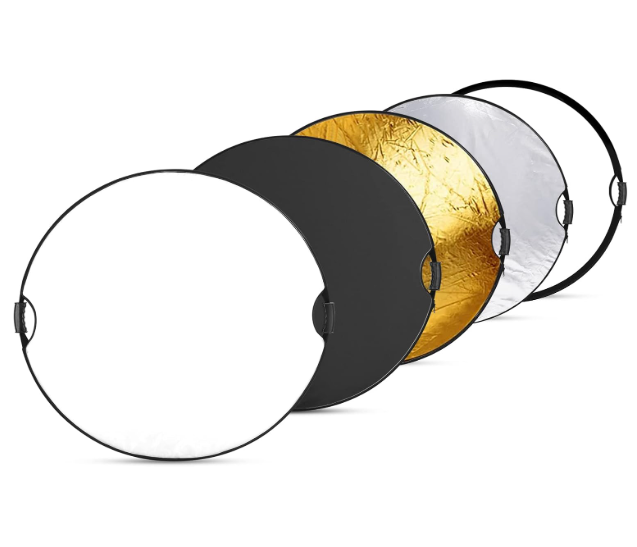
Pair the speedlight with a single softbox umbrella and a 5-in-1 reflector for fill, and you have a complete portable kit that fits in a single bag. This is the same approach I recommend for new photographers in Nashville workshops: keep it simple, learn what each tool does, and let your technique grow before your gear list does.
What this kit teaches you
Light direction determines mood. Distance controls contrast. Height changes how a face reads. These fundamentals, dialed in on one light, build the instincts that carry through every level above it.
Affiliate Disclosure: Some links on this page are Amazon affiliate links. I may earn a small commission if you purchase through them, at no extra cost to you.
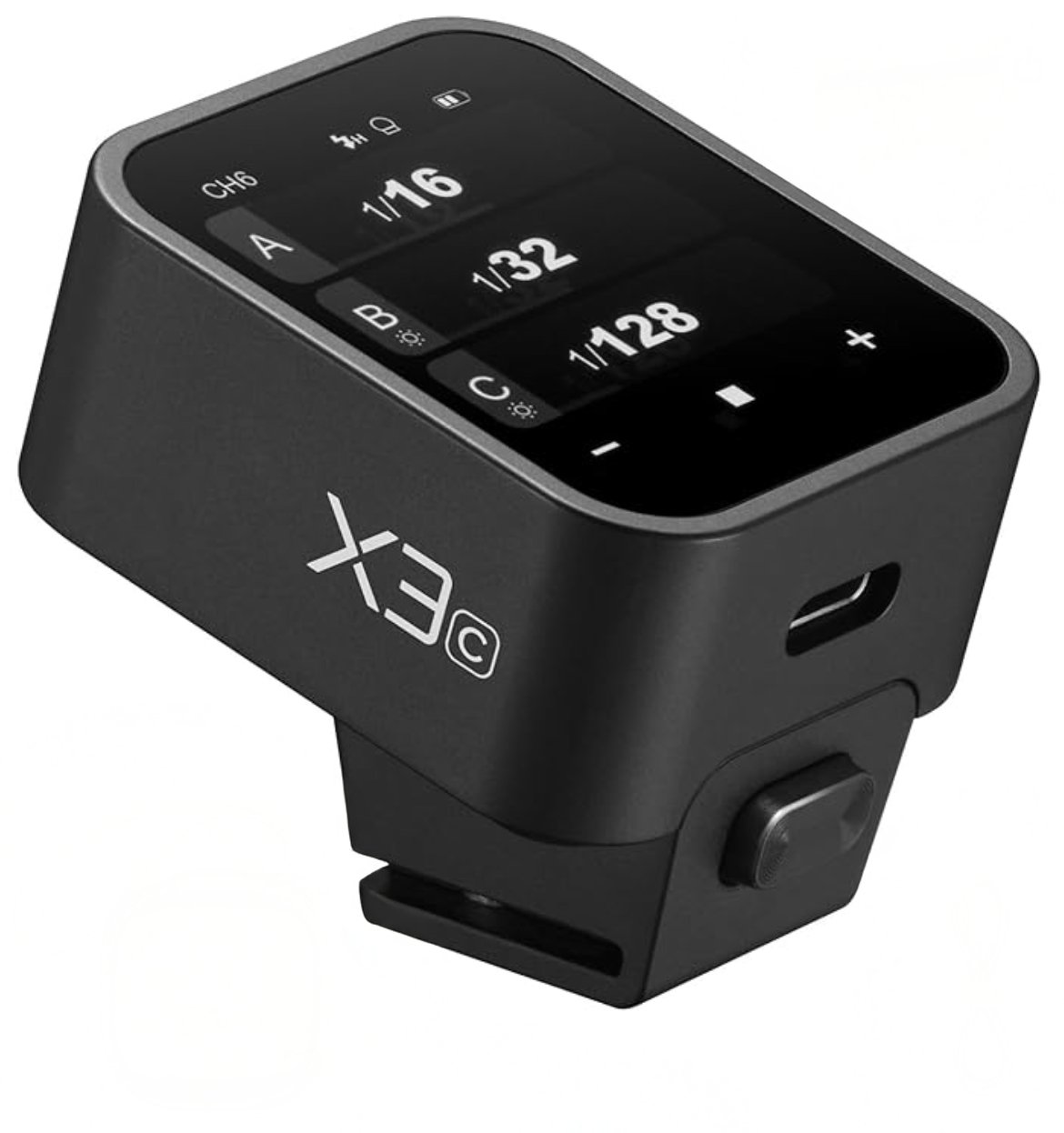
Godox X3 Trigger
Reliable 2.4GHz wireless control. Takes your speedlight off-camera and gives you real lighting freedom immediately.
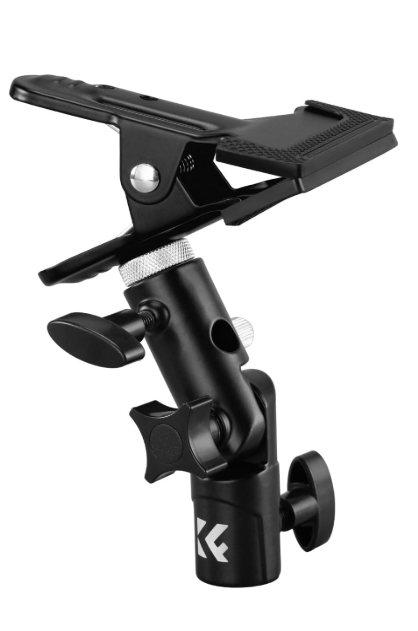
Shop It →Clamp Clip Holder
Mounts reflectors to stands or any surface. Small, inexpensive, and useful on every single shoot.
Shop It →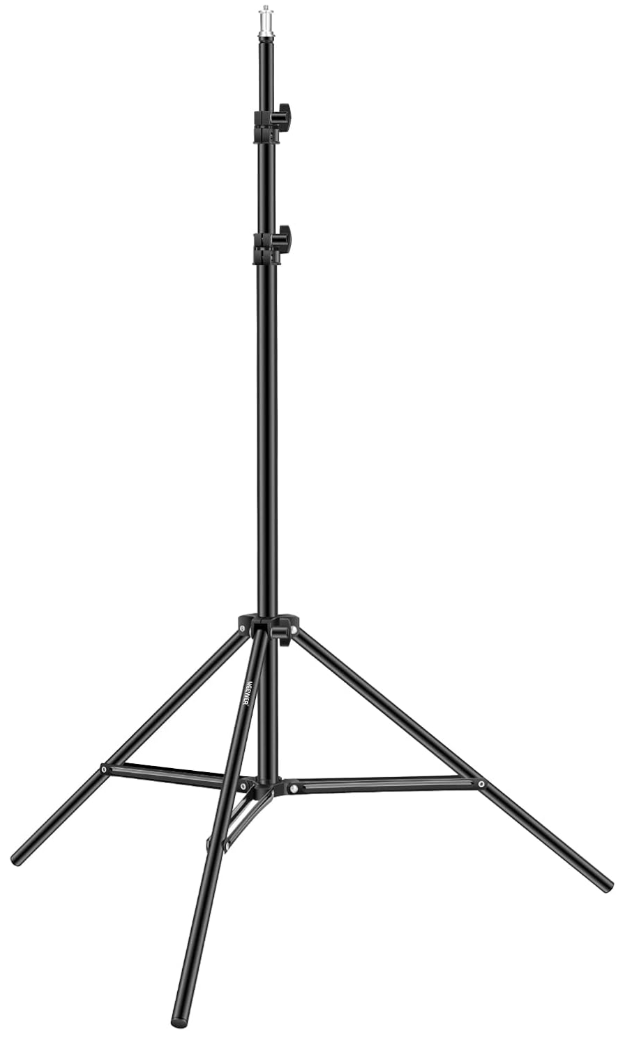

Basic Light Stand
Lightweight and packable. Holds a speedlight and modifier reliably for studio and location work while you are learning your craft.
Shop It →Fotodiox Softbox Umbrella
Broad, soft, forgiving light. Sets up in seconds and creates clean, flattering results for portraits and headshots.
Shop It →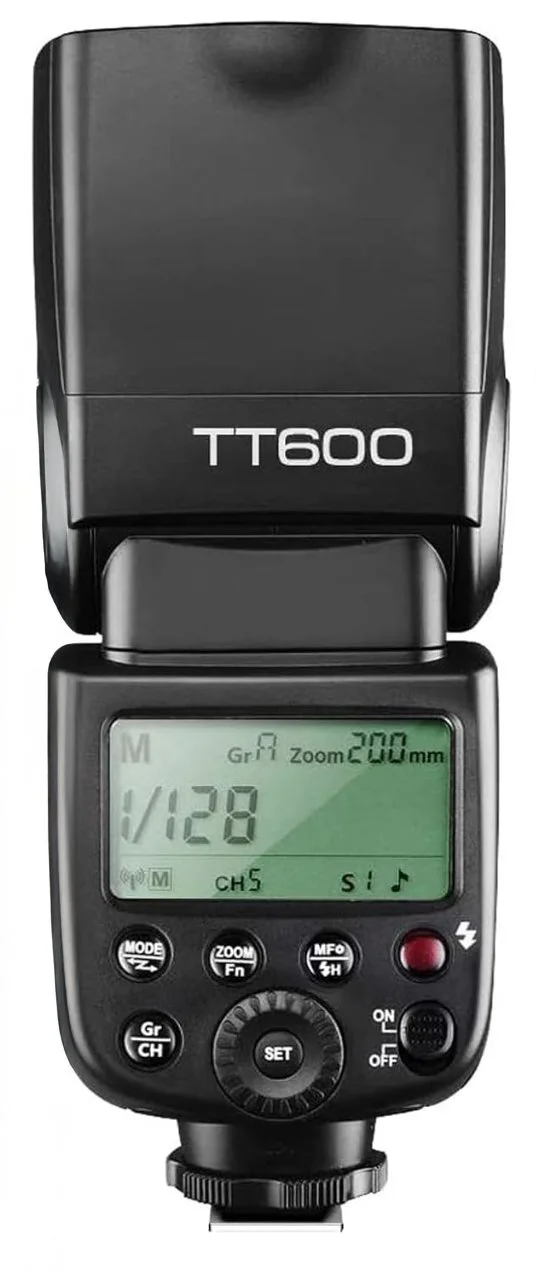
Godox TT600 Speedlight
Compact, battery-powered. Capable of real professional results when you know how to position it. Get it off-camera on day one.
Shop It →5-in-1 Reflector
Bounce, block, and diffuse. Replaces a second light in most situations and travels flat in any bag.
Shop It →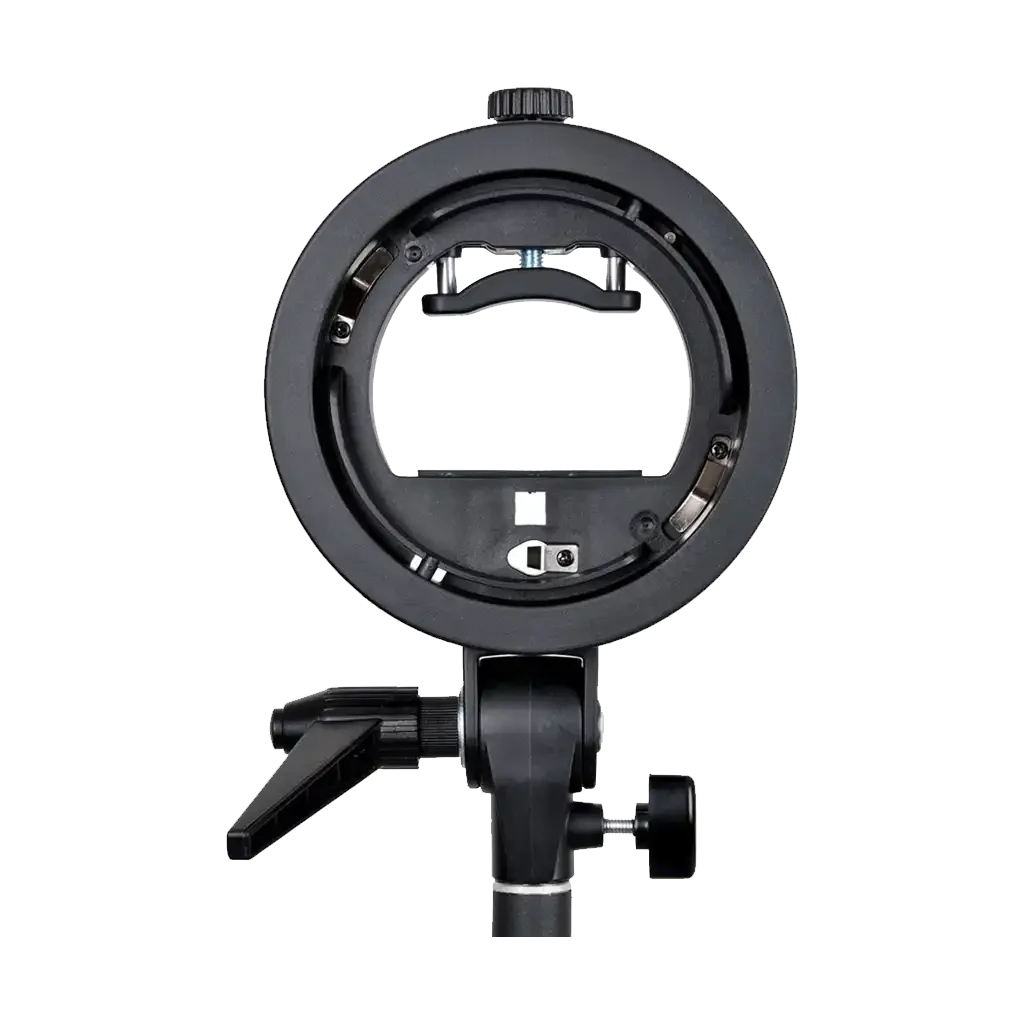
Speedlite Bracket
Connects your speedlight to the stand and lets you tilt and swivel for precise modifier positioning.
Shop It →Skip the second speedlight.
A second light before you have mastered placement adds variables, not range. Buy the reflector instead. It does eighty percent of what a fill light does for thirty dollars.
Master one light first. Learn how distance changes contrast and how height changes the way a face reads. Once those instincts are automatic, a second light becomes a creative choice instead of a crutch.
Total estimated range: $500 to $1,200
What Lighting Kit Should a Growing Photographer Use?
Best for: Two- and three-light setups. Corporate headshots, personal branding sessions, and client work that needs to look polished and repeat reliably.
You have moved past experiments. Clients are booking, work is going out, and your current setup is starting to show its limits. This kit closes that gap.
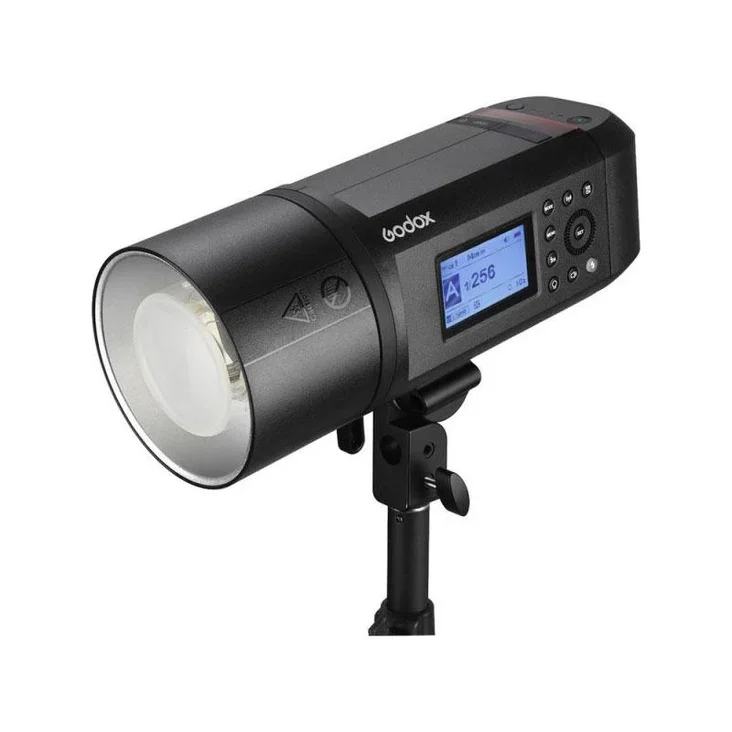
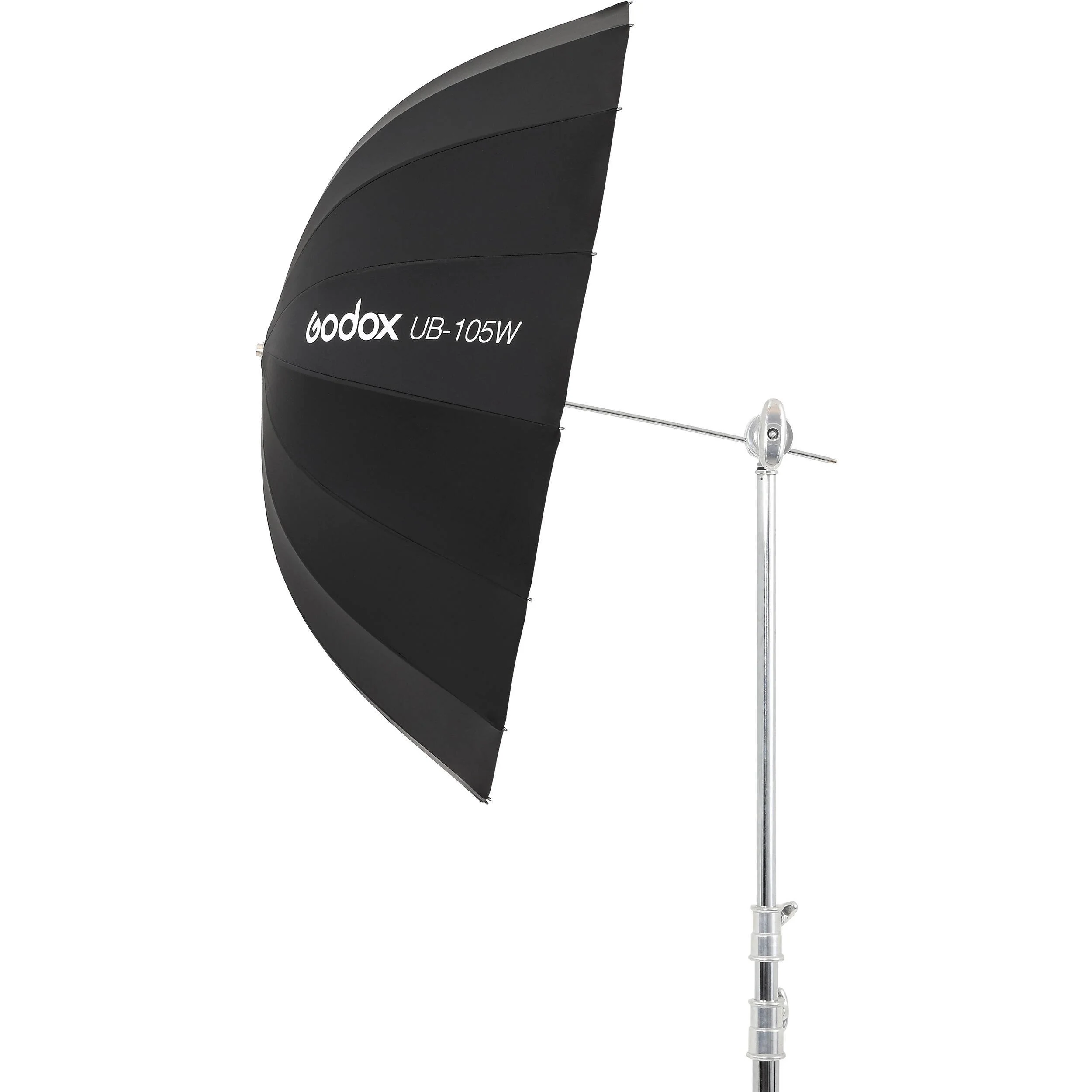
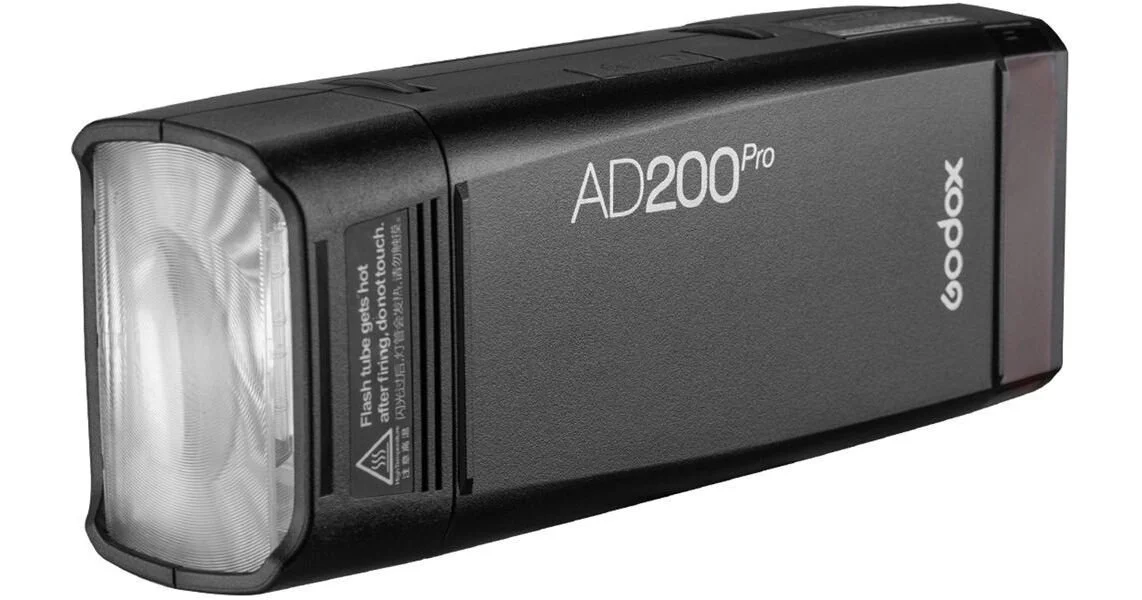
The Godox AD600 Pro is the centerpiece. Real power, fast recycle times, and enough output to overpower ambient light outdoors or fill a studio cleanly indoors. Pair it with the 60-inch parabolic umbrella as your key and the Godox AD200 Pro as a second unit for fill, rim, or background separation. This is the setup Nashville headshot photographers use when they need consistent results across back-to-back sessions.
What this kit unlocks
Separation, dimension, and control. When your key and fill are working together intentionally, your subjects stop looking like they are lit and start looking like they belong in the frame.
25" Collapsible Beauty Dish
Crisp, flattering light with defined shadows and glowing skin. Folds down small, so you get beauty-dish quality without the bulk on location.
Shop It →Kupo Light Stand
The industry standard for good reason. Sturdy, reliable, and built to hold a loaded modifier steady all day on set.
Shop It →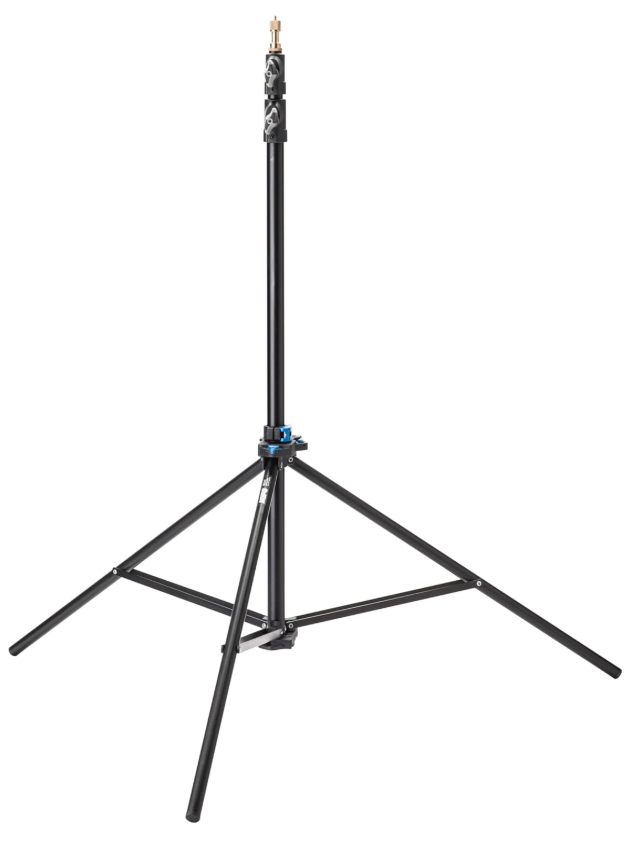
Kupo 8ft Light Stand
Solid, dependable height for key and fill lights. Kupo build quality that holds a loaded modifier steady all day on set.
Shop It →60" Parabolic Umbrella
Large and wrapping. Produces soft, directional light with gentle falloff that flatters faces and gives your key that effortless, natural quality.
Shop It →Godox AD600 Pro
600Ws of portable power with fast recycling and reliable TTL. The centerpiece of this kit and the light that handles most situations.
Shop It →
Lighting Trigger
Fires your strobes off-camera and controls power and groups from the camera. The small piece that makes real lighting freedom possible.
Shop It →Godox AD200 Pro
200Ws and featherlight. The ideal second unit for fill, rim, or background lighting. Pairs seamlessly with the AD600 Pro.
Shop It →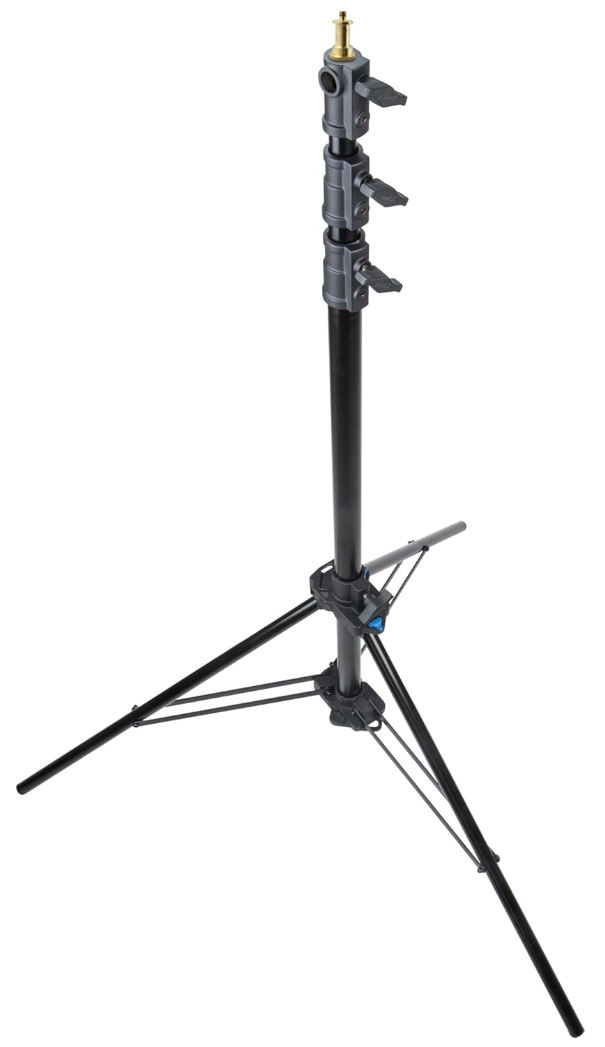
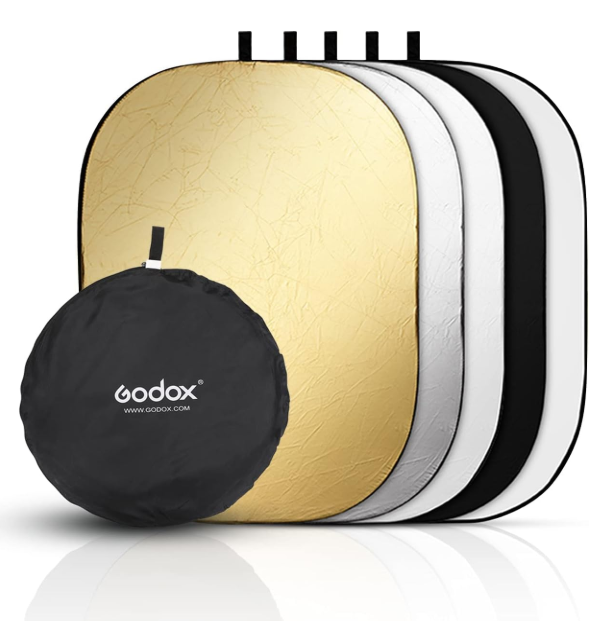
Large Reflector
Bounce, block, and diffuse. A large reflector fills shadows and shapes light without a second strobe, and it travels flat in any bag.
Shop It →5-in-1 Reflector
Bounce, block, and diffuse. Replaces a second light in most situations and travels flat in any bag.
Shop It →Total estimated range: $2,000 to $5,000+
What Lighting Gear Do Professional Photographers Use
for Commercial Work?
Best for: High-end branding, editorial, advertising, and commercial sessions where every detail is intentional and the images need to close deals.
This is not a starter kit with nicer labels. It is a different category of tool entirely. Profoto builds equipment for photographers whose time on set is expensive, whose clients are paying for precision, and whose images live in advertising, editorial, and campaigns.
The Profoto D2 is the studio workhorse here. Fast recycling, rock-solid color consistency, and a modifier ecosystem that gives you complete creative control. Pair it with the Photek Softlighter for broad, wrapping light that looks effortless on a subject. Add the Profoto B10X Plus as a portable second unit for location work. I use this kit for commercial commissions, advertising campaigns, and Nashville editorial work going into print.
What this kit delivers
Precision and repeatability. When your client is a brand, a hotel group, or a corporate team, the images need to land the same way every time. This kit gives you that control.
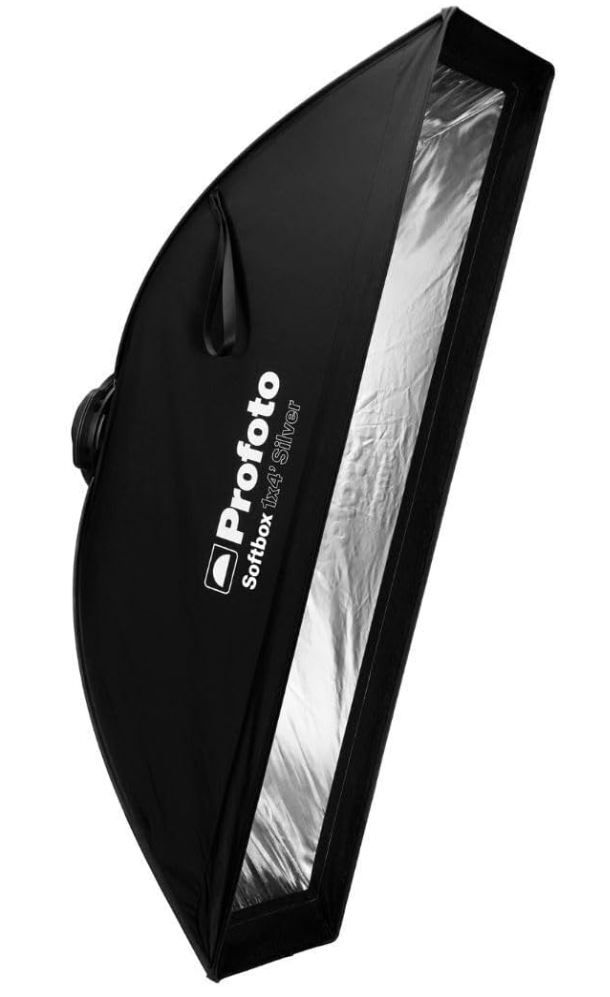
Profoto Stripbox
Narrow and directional. Adds separation and rim definition that lifts subjects off backgrounds in editorial and commercial work.
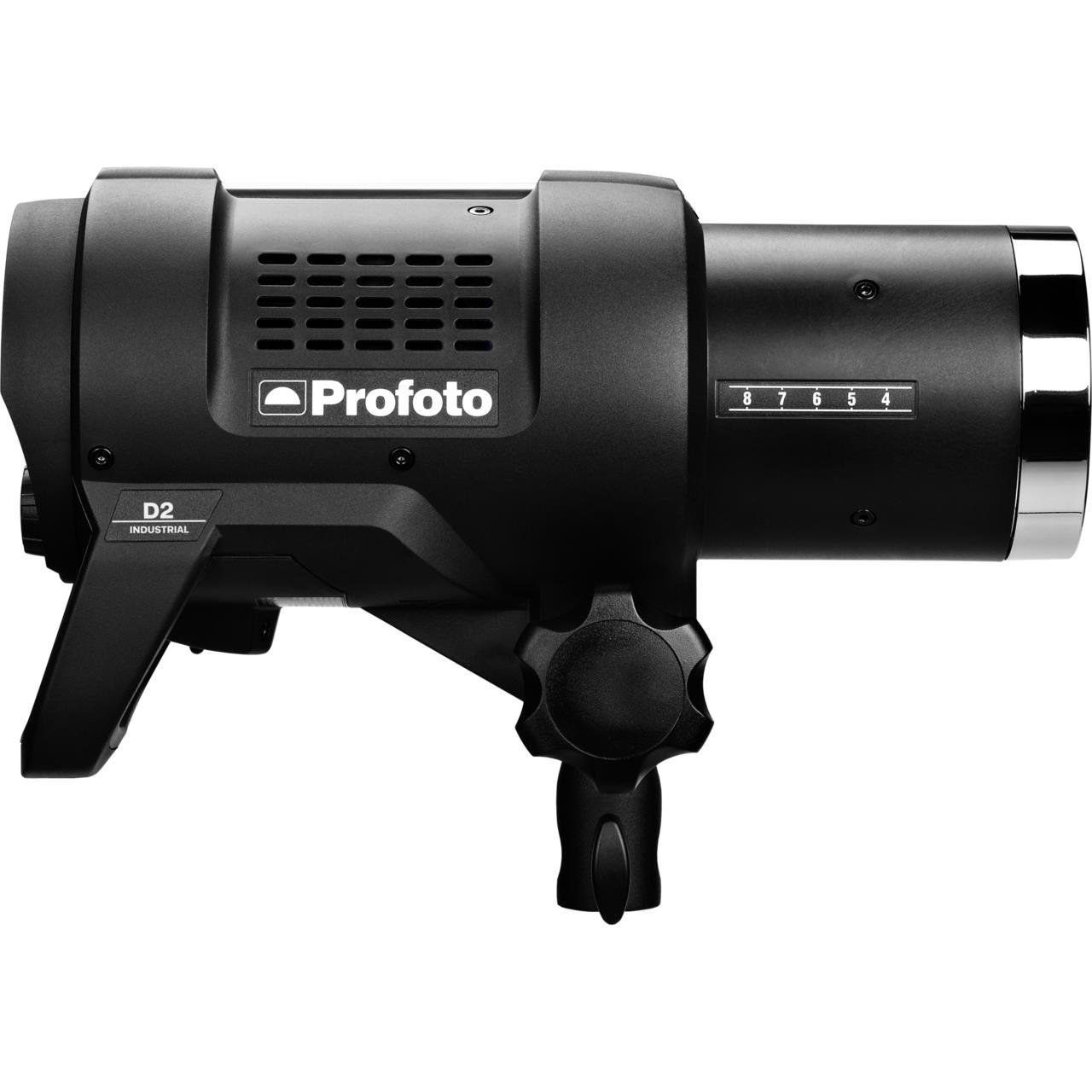
Shop It →Profoto D2
Fast recycling, rock-solid color consistency, and access to the full Profoto modifier ecosystem. The anchor of any serious commercial studio.
Shop It →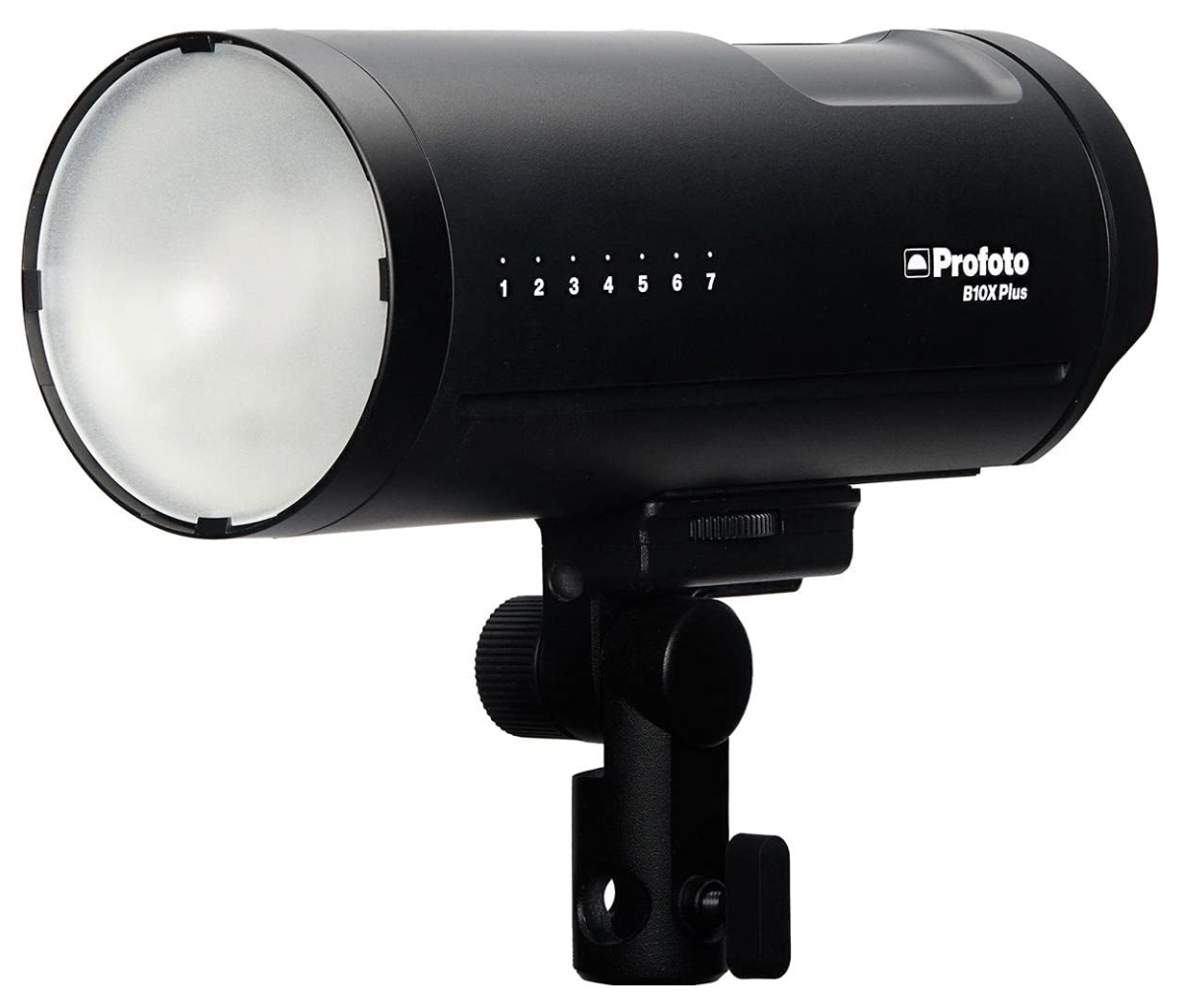
Profoto B10X Plus
Battery-powered and fully portable. Delivers Profoto quality anywhere and pairs with the D2 for studio-quality output on location.
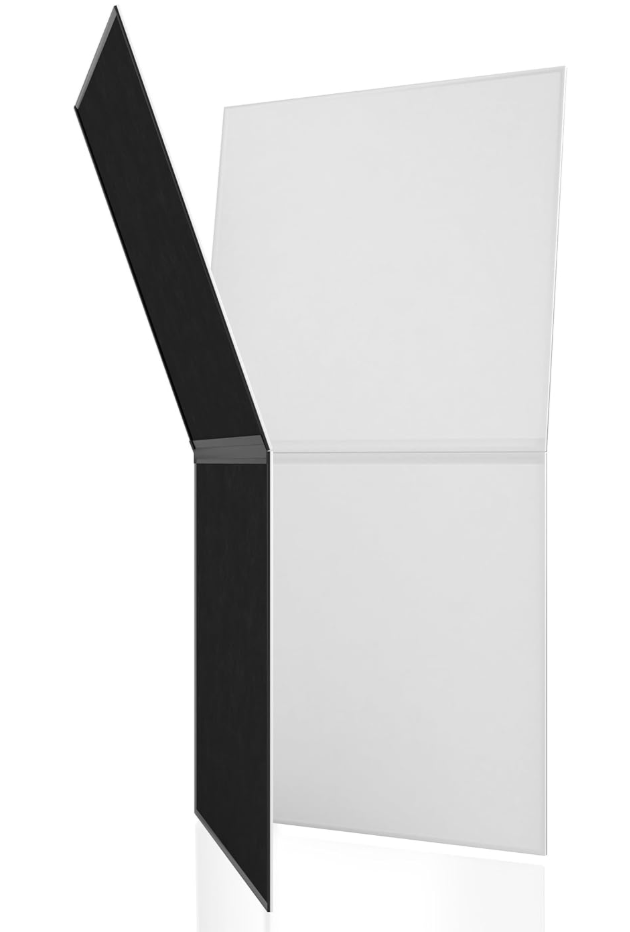
Shop It →V-Flat
Bounce fill, create negative fill, shape background light, or build spotlight tunnels. One of the most versatile tools in any professional studio.
Shop It →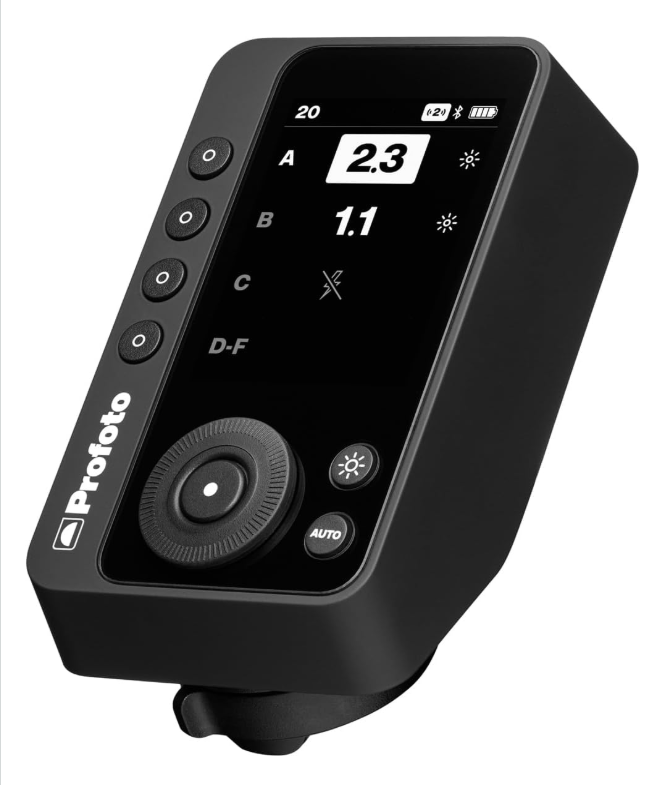
Profoto Lighting Trigger
AirTTL precision from the camera. Controls power, groups, and modeling lights without leaving your shooting position on a full production set.
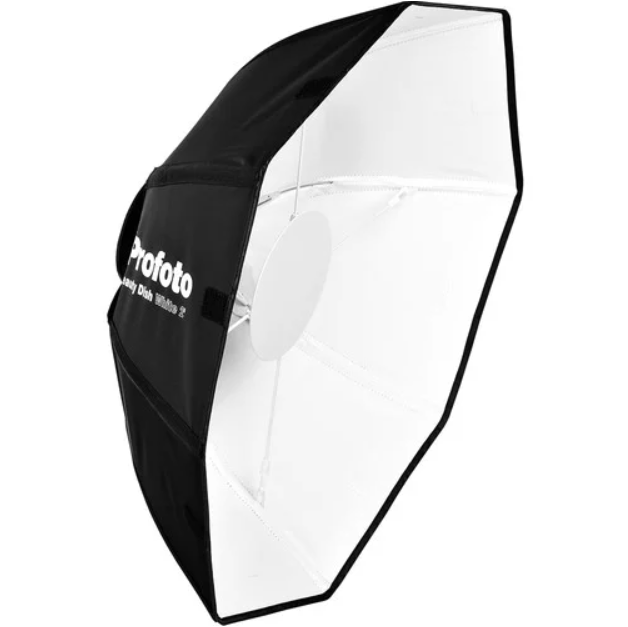
Shop It →Profoto Beauty Dish
Crisp, flattering light with defined shadows and glowing skin tones. Excellent for fashion, beauty, and executive portrait work.
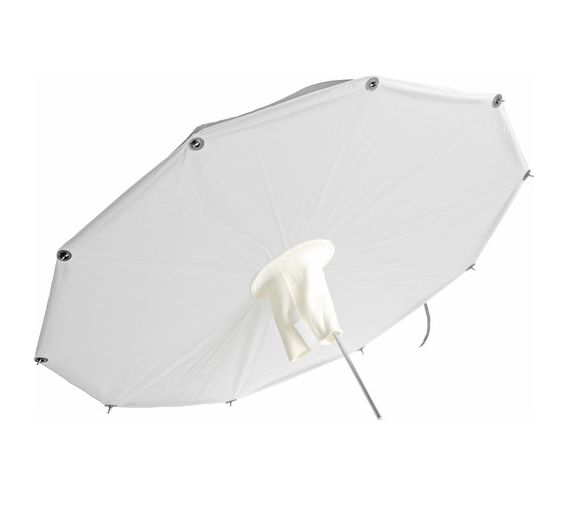
Shop It →Photek Softlighter 60"
Broad, beautiful, wrapping light with a catchlight that reads as professional in every frame. My most-used key light modifier for editorial sessions.
Shop It →Photek Softlighter 46"
More portable than the 60-inch and still delivers that signature soft, wrapping quality. A perfect location-to-studio crossover modifier.
Shop It →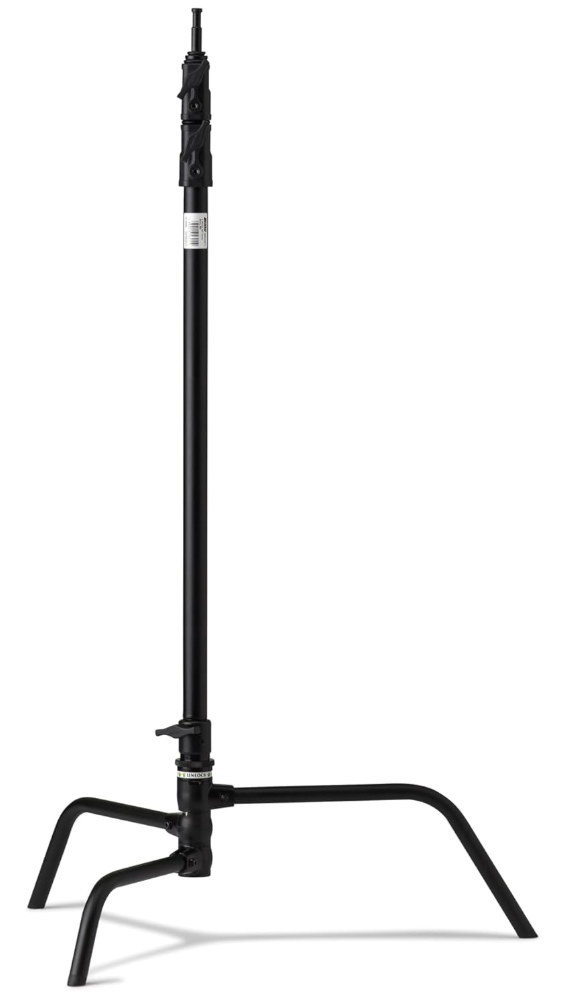
Kupo C-Stand
The industry standard for good reason. Holds anything at any angle and stays put all day. Essential once your studio work is at production level.
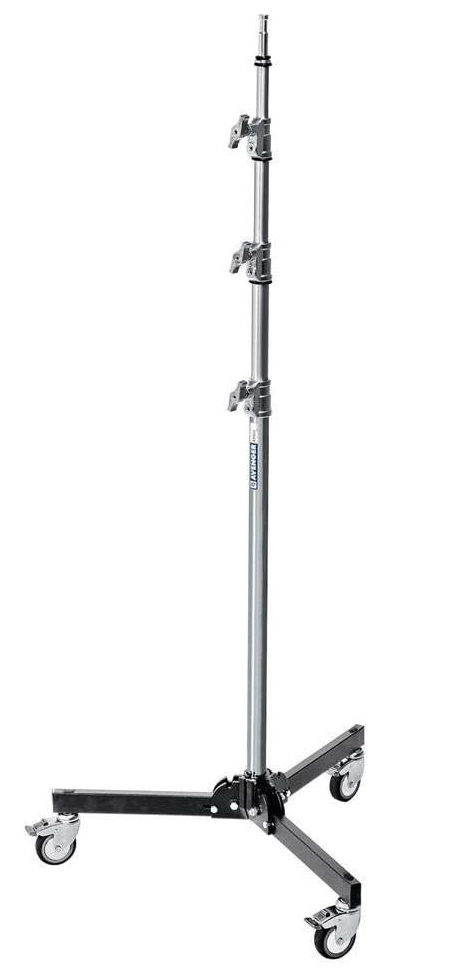
Shop It →Avenger Light Stand
Heavy-duty with wheels for easy repositioning on a working set. Built for real production environments where stability is non-negotiable.
Shop It →The modifier matters more than the strobe.
A Profoto D2 with a flat reflector and a Godox AD600 with a Photek Softlighter will produce different images. Spend the upgrade dollars on light shapers first. The strobe gives you power. The modifier gives you the look.
Build the support gear last.
C-stands, sandbags, and rolling stands feel like overhead until your first paid commercial shoot. Then they become the difference between a shoot day that ends on time and one that does not.
Which setup works best for your genre?
The right setup shifts depending on what you are shooting. Here is how these three kits translate across the most common portrait and commercial genres.
Portraits and Headshots
Clean light. Controlled shadow. Repeatable results.
Strobes freeze motion, render skin tones accurately, and give you consistent power to shape light across a full session. A one- or two-light setup with a large modifier handles most portrait work. Loop and Rembrandt patterns create dimension without drama. A beauty dish adds definition for more sculpted results.
See one model, five setupsFashion and Creative Portraits
More direction. More drama. More creative latitude.
Fashion and creative portrait work rewards setups that do something unexpected. A Westcott Optical Snoot creates pinpoint spotlight effects for editorial looks. Strip boxes produce hard, directional light with clean shadow edges. Gelled lights bounced off V-flats add color contrast without requiring additional powered units.
See the five-setup sessionBranding and Content Creation
Hybrid needs. A mix of strobes and continuous.
Branding sessions often run long and mix stills with short-form video. A hybrid kit works best: strobes for hero portrait images and continuous LEDs for lifestyle content. Parabolic and strip modifiers give you flexibility across looks. Color accuracy matters more here, so prioritize high-CRI output in any continuous light you add.
See the nFocus editorialProduct Photography
Continuous LEDs. Controlled diffusion. Zero recycling delays.
Continuous LEDs are the practical choice for product work. You see the shadows and highlights in real time, there is no flash recycling to work around, and the output is consistent across video and stills. The Godox SL series handles most e-commerce and flat-lay setups. Use softboxes for controlled diffusion and a rim light to lift the subject off the background.
Godox vs. Profoto: Which brand is right for your setup?
Both brands deliver professional results. The decision comes down to budget, workflow, and what your clients need from the final images.
Godox
Best Value for Working Photographers
Strengths
- 50 to 70 percent less than comparable Profoto gear
- Full ecosystem from speedlights to 600Ws monolights
- Reliable TTL and HSS across the full line
- Solid 2.4GHz wireless with multi-group control
- Growing KNOWLED continuous LED line for hybrid workflows
Tradeoffs
- Build finish is functional rather than refined
- Color consistency is very good but not at Profoto's ceiling
- Modifier ecosystem less tightly integrated
Profoto
The Commercial and Editorial Standard
Strengths
- Premium build quality and color accuracy
- Fast recycling at high power for high-volume sessions
- Deepest modifier ecosystem in the industry
- Intuitive AirTTL wireless control from camera
- Cinema-grade LED options for hybrid photo and video
Tradeoffs
- Two to four times the price of comparable Godox gear
- Fewer affordable entry points for photographers building up
- Accessories and batteries add significant cost over time
The honest version
I use both. Godox covers the daily sessions and workshops. Profoto comes out for commercial commissions and editorial work going into print or advertising. Start with Godox. Add Profoto when the work genuinely demands it. The images you create with a Godox mid-range kit, shot with intention and technique, will outperform a Profoto setup used without understanding. The brand is never the deciding factor. The photographer is.
What is changing in photography lighting right now?
The biggest shift is toward hybrid photo and video workflows. Here is what that means for how photographers are building their kits in 2026.
01
Continuous LEDs are no longer second-tier
LED output and color quality have caught up to the point where many photographers are adding them to rigs that previously ran strobes only. Godox KNOWLED and Profoto L600C are both moving toward modular, battery-powered systems designed for real production use.
02
Hybrid sessions are the new normal for branding clients
Most branding clients in 2026 want both photos and short-form video from the same session. A bi-color or RGB continuous light alongside your strobe setup pays for itself quickly. It gives you real-time previewing and smooth video output without rebuilding your kit.
03
Strobes are still the right tool for portraits
The rise of continuous lighting does not displace strobes for portrait and headshot work. Strobes still freeze motion more cleanly, overpower ambient more reliably, and deliver skin tone rendering that continuous lights are still working toward at lower price points.
04
App control and battery-first design are shaping new releases
Nearly every new lighting release in 2026 features wireless app control, modular battery systems, and weather resistance for location use. The gap between studio and location gear is narrowing fast for photographers who move between both environments.
Common Questions
Photography Lighting
Questions, Answered
What is the best photography lighting setup for beginners?
A single speedlight, one softbox or umbrella, and a 5-in-1 reflector for fill. That combination costs $300–$500 and teaches direction, falloff, and contrast before you add complexity.
How many lights do you actually need for portrait or headshot photography?
One light handles most portrait work when placed well. Two lights (key and fill or rim) add separation and dimension for client-facing headshots and branding sessions, but a third light is rarely necessary outside commercial production.
Godox or Profoto: which should I buy first?
Start with Godox; it delivers comparable TTL and HSS performance at a fraction of Profoto's price for daily client work. Upgrade to Profoto only when commercial or editorial clients demand its color consistency and modifier ecosystem.
How much does a professional photography lighting kit cost?
Budget kits run $300–$500, mid-range two/three-light setups run $500–$1,200, and full commercial-grade Profoto systems run $2,000–$5,000+, depending on modifiers and support gear.
What's the difference between a beauty dish and a softbox?
A beauty dish produces crisper, more defined shadows with a sculpted look, ideal for fashion and executive portraits. A softbox or umbrella produces broader, more forgiving light better suited to everyday portrait and headshot work.
Do I need continuous LED lights or strobes?
Strobes remain the better choice for portraits and headshots since they freeze motion and render skin tones more accurately. Continuous LEDs are better for product photography and hybrid photo/video sessions where real-time preview matters.
What lighting gear do commercial and editorial photographers use?
High-end commercial work typically relies on a studio strobe like the Profoto D2 paired with large modifiers (Softlighter, stripbox, beauty dish) plus dedicated support gear like C-stands and V-flats, which control light spill and keep results consistent across a full shoot day.
What is a hybrid lighting kit and who needs one?
A hybrid kit pairs strobes for hero portrait shots with continuous, high-CRI LED lights for short-form video, increasingly standard for branding and content-creation sessions that need both stills and video from one shoot.
What modifiers should beginner photographers buy first?
Start with one modifier, not three. A medium softbox (24x36") or shoot-through umbrella gives you the broadest, most forgiving light for learning. Add a beauty dish or stripbox once you understand how light wraps and where you want harder edges.
What is the best lighting setup for professional headshots?
A two-light setup covers most professional headshot work: a key light through a large softbox or parabolic umbrella at 45 degrees, and a rim light for separation from the background. For corporate and branding headshots in Nashville and Franklin, that combination on a Godox AD600 Pro or equivalent hits the quality threshold most clients expect.
Affiliate Disclosure: Some links on this page are Amazon affiliate links. I may earn a small commission if you purchase through them, at no extra cost to you.